PPipes · leaks and repairs
Pipes, leaks and who fixes them
Who fixes a leak, a frozen pipe or a sewer backup in NYC depends on your building: owners repair rented apartments, house owners own the pipes out to the street, and co-op and condo papers split the rest.
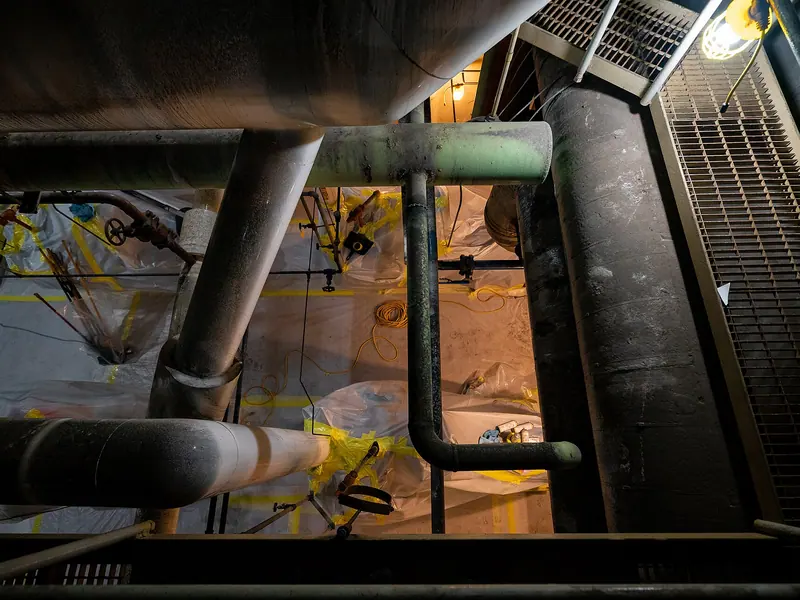
The plates in this section


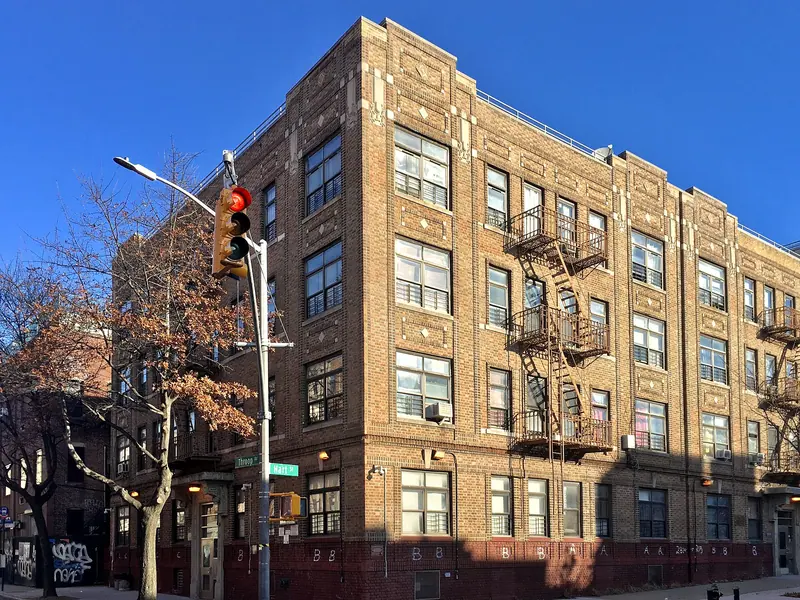
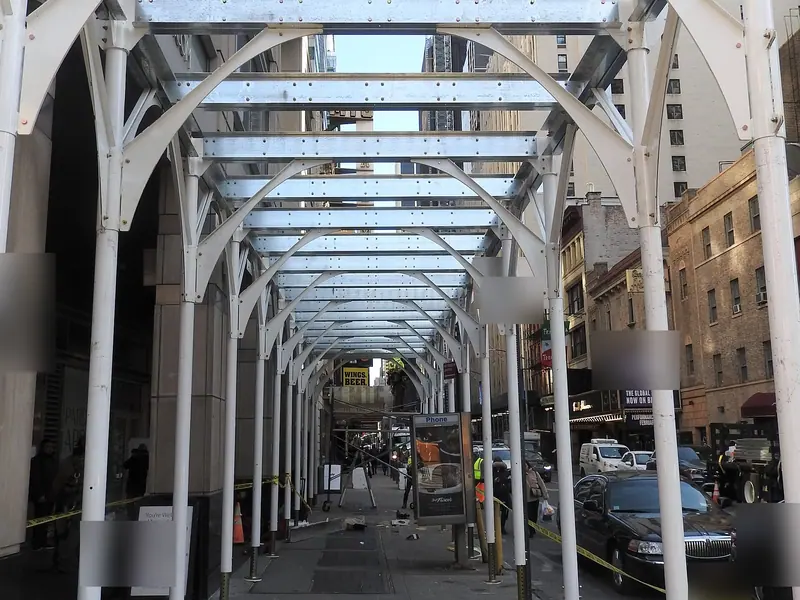
Which building do you live in?
If you rent in a prewar walk-up or any building of three or more apartments, the owner must keep the plumbing in good repair, and you report problems to the owner or super first, then 311 (Housing Maintenance Code). If you own a brownstone or a two-family house, you own the water service line from the city main and the house sewer out to the city sewer, and the repair bills are yours. In a co-op or condo high-rise or a new-build condo, the proprietary lease or bylaws decide whether the board or the unit owner pays; city 311 guidance says as much.
| Building | Leak or burst pipe | Sewer backup in the basement | Pays for the repair |
|---|---|---|---|
| Prewar walk-up | Super or owner, then 311 | Owner; 311 to report | Owner |
| Brownstone or row house | Close the house water valve; a licensed plumber | 311; a licensed plumber for the house sewer | Owner |
| Co-op or condo high-rise | Super or management company | Building staff | Board or unit owner, per the building’s papers |
| Two-family house | Owner closes the valve; licensed plumber | 311; owner’s plumber | Owner, unless a written lease says otherwise |
| New-build condo | Building staff or board | Building staff | Board or unit owner, per the bylaws |
The five pages in this section
- Sewer backups: why basements flood in heavy rain, what a backwater valve does, and what to report to 311.
- Frozen pipes: keeping pipes and meters from freezing, thawing them gently, and what to do when one bursts.
- Who fixes what: the owner’s and tenant’s duties under the Housing Maintenance Code, and how co-ops and condos split repairs.
- Rent-stabilized repairs: DHCR complaints for reduced services, the forms, and rent reductions that come only by DHCR order.
- Permits and plumbers: which jobs need a Licensed Master Plumber and a DOB filing, and how to check a license.
A few numbers to start with
Roughly six in ten parts of the city drain through combined sewers, one pipe carrying both storm runoff and sewage. DEP estimates that in a 1.75-inch-per-hour storm about 74,000 properties are at risk of a sewer backup, about 59,000 of them one- or two-family homes (DEP, Protecting Your Home). That is why the two-family house and the brownstone carry most of the backup risk on this atlas.
Cold snaps are the owner’s problem too: DEP puts the job of keeping pipes and meters from freezing on property owners (DEP, Protect Your Pipes from Freezing). Never thaw a pipe with an open flame or a torch. If a pipe bursts, close the main valve and call a licensed plumber; in a rental, tell the super or owner right away.
Repairs and the rent
Tenants report and the owner repairs. If the owner does not, the routes are 311 and HPD, an HP action in Housing Court, and, for rent-stabilized apartments, a DHCR complaint (HCR FS-14). HPD warns that holding back rent may lead to eviction, so use those routes instead. If you are unsure who should fix something, ask the super, the owner, or a licensed plumber.
How this plate was drawn
Built from the Housing Maintenance Code, DEP’s sewer backup report and winter pipe page, 311’s co-op and condo guidance, HCR’s guidance on rent reductions and DOB’s licensing rules, checked 11 Nov 2026. Each topic page has its own sources and the details these summaries leave out. We found no city rule that sets the co-op and condo repair split; the buildings’ own papers do.
Sources
- NYC Housing Maintenance Code (DOB copy) · owner’s duty to repair, two-family lease exception · checked 11 Nov 2026
- NYC DEP — Protecting Your Home, sewer backup report · combined sewers, properties at risk · checked 11 Nov 2026
- NYC DEP — Protect Your Pipes from Freezing · owner responsibility in winter · checked 11 Nov 2026
- NYS HCR — FS-14, rent reductions for decreased services · DHCR route for rent-stabilized tenants · checked 11 Nov 2026