B-5Building · new condo
Heat and plumbing in a new-build condo
In a new-build condo, heat often comes from equipment inside each apartment, so the condo declaration and bylaws, not the boiler room, usually decide whether the board or the unit owner fixes it.
- Heat comes from
- Often a through-wall unit, fan coil or heat pump inside each apartment
- Who controls the boiler
- The board controls any central plant; in-unit equipment falls to whoever the condo documents name
- The rule that matters most
- If your heat comes from equipment in your unit, the condo documents decide who repairs it; tell the management company first
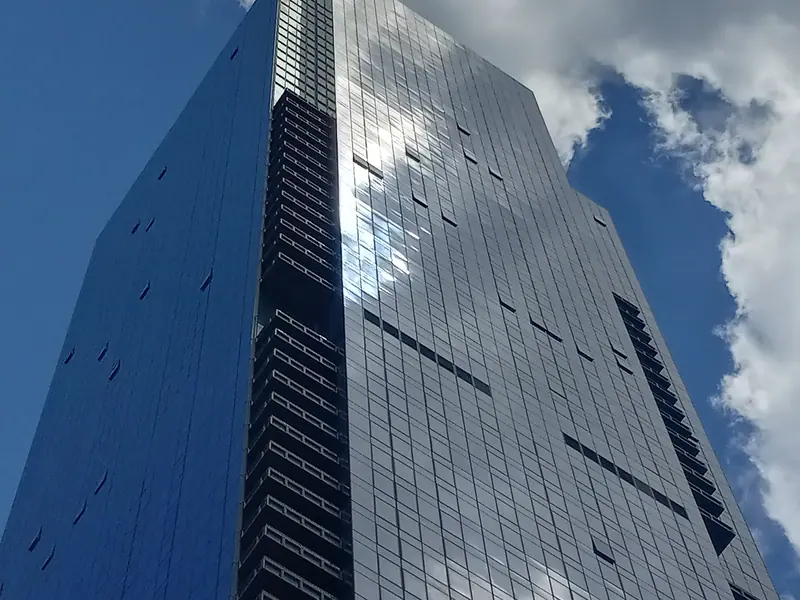
A new-build condo is a recent apartment building where each unit belongs to its buyer and the halls, roof, risers and plant belong to all the owners together, run by an elected board. Many units are lived in by their owners; others are rented out, which makes the unit owner a landlord. The equipment that heats you is the first thing to sort out, because it decides who you call.
Where does the heat come from here?
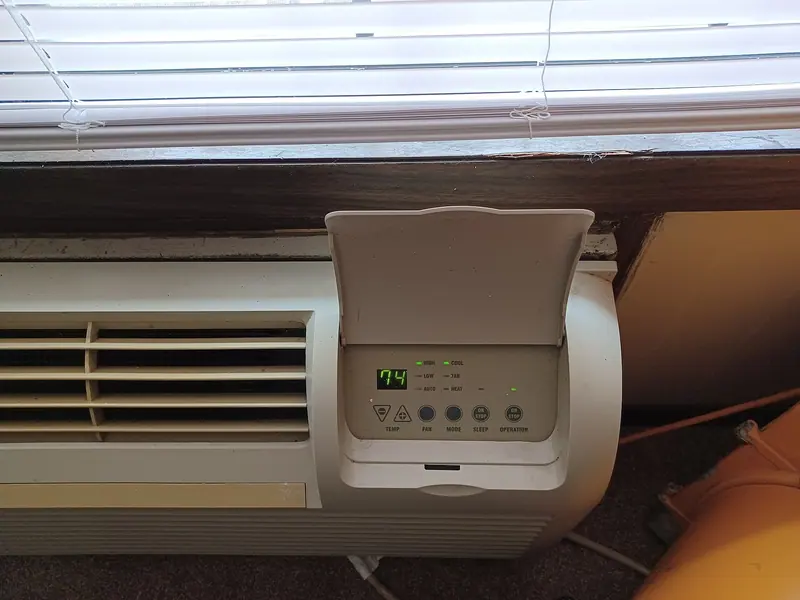
Heat in a new condo often comes from a unit in your own apartment rather than a cellar boiler: a through-wall heating and cooling unit under the window, a fan coil fed from a central plant, or a heat pump. City law allows this. The central heat section, Admin Code §27-2028, permits per-unit gas or electric heat where it was approved for a building put up after July 14, 1967. Some condo towers still run a central boiler or chiller plant, with only the controls in each unit. Look for the maker’s label on the unit, or ask the management company which you have.
Who controls the boiler?
If there is a central plant, the board controls it through the management company and the building’s engineer or super. If your heat is a unit inside your walls, the condo bylaws and declaration say who maintains it, a split the Attorney General described in 1994 as set by those documents. Either way, residents should not open a unit’s panels beyond the filter door the manual describes, and should leave refrigerant, wiring and any gas connection to licensed pros.
The thermostat is the part you do run. A setting problem or a dead display is worth checking before you report a breakdown; the maker’s manual for your model explains the controls.
Which rules apply to this building?
A condo building with three or more units is a multiple dwelling, so the heat and hot water rules apply, as of 11 Nov 2026. 311’s maintenance guidance tells condo residents to report to the owner, management company or board first and says the agreements between the unit owner and the board may decide which conditions each must fix. A renter in a condo unit is owed the HPD minimums by their landlord, the unit owner.
- Gas piping (Local Law 152). Buildings whose certificate of occupancy was issued on or after December 6, 2016 need no inspection until the tenth year after the C of O, then join their district’s cycle. Piping inside dwelling units is outside the inspection’s scope.
- Boiler inspection. A shared boiler serving six or more families needs a yearly licensed or insurance inspection, filed with DOB within 14 days. A boiler inside one unit heating only that unit is exempt.
- Carbon monoxide alarms. 311 says new or substantially improved buildings need hard-wired CO alarms. HPD exempts a building with no fossil-fuel devices and no enclosed parking.
- Natural gas detectors. Condo buildings with gas piping fall under HPD’s January 1, 2027 detector date; an all-electric building with no gas piping is exempt under HPD’s page (checked 11 Nov 2026).
Who answers for what here?
In a condo, the board answers for what all owners share; the unit owner answers for what the documents put inside the unit. That line moves from building to building, so the table shows the usual pattern, not a rule.
| Job | Condo board | Management company and super | Unit owner | Renter of a unit |
|---|---|---|---|---|
| Heat | Central plant, if any | Runs the plant, logs complaints | In-unit heat pump or through-wall unit if the bylaws say so | Asks the unit owner, who calls management |
| Hot water | Central heater or plant | Keeps supply at 120°F | In-unit water heater if one exists | Reports through the unit owner |
| Radiators and vents | Fan coil risers and valves | Schedules filter and coil service | Filters and access per the manual | Keeps the unit clear, reports noise |
| Gas piping | Building piping and LL152 after year ten | Calls a Licensed Master Plumber | Range connection per the documents | Gets out at a gas odor, calls from the street |
| Water and sewer bill | The building’s DEP account | Tracks usage | Pays a share in common charges | Per the unit lease |
| Lead service line | Board’s line to the main | Handles DEP mail | — | Can order a kit through 311 |
| House sewer | Building lateral to the city sewer | Calls the plumber | — | Reports slow drains |
| Leaks between floors | Common pipes and risers | Traces and shuts off | Own fixtures, appliances and finishes | Tells management and the unit owner at once |
What goes wrong most in a new condo?
The most common heat question in a new condo is whose problem a failed in-unit system is. Start with your bylaws, then who fixes what. If the whole building runs cold on a central plant, the heat complaint route is the same as anywhere else once the board has been told.
Leaks from a neighbor’s dishwasher or a failed supply hose are the other frequent issue; the Attorney General’s memo places items inside a unit, such as a broken bathroom tile, with the unit owner, and your bylaws give the details. Knowing where your unit’s shutoff valve sits saves a ceiling below. Newer buildings rarely have lead service lines, since lead lines were legal only until 1961, but a tall condo may still have a roof tank; see roof water tanks and carbon monoxide alarms.
Look up your own building
- DOB gas piping inspections · whether your condo is on the LL152 list and when its first cycle starts
- NYC ZoLa · year built and lot details for the building
- HPDONLINE · registration, complaints and violations for the address
- DOHMH water tank results · any roof tank inspection filed for the building
- 311 · heat or hot water complaints after the board has been told
Questions people ask
Is a condo unit owner covered by HPD’s heat rules?
The building is a multiple dwelling, so the rules apply to it, and a renter is clearly protected. For an owner living in a unit heated by their own equipment, we found no city page saying HPD will inspect; 311 sends condo residents to the board first.
Who fixes a broken through-wall unit or heat pump in a condo?
Whoever the condo declaration and bylaws name. The split differs from building to building, so check yours and tell the management company before calling a contractor.
When does a new condo need its first Local Law 152 gas inspection?
In the tenth year after its certificate of occupancy, if the C of O was issued on or after December 6, 2016. After that it follows its community district’s four-year cycle.
Does an all-electric condo need natural gas detectors?
HPD’s page says buildings without gas piping are exempt from the 2027 detector duty. CO alarm rules depend on whether there are fossil-fuel devices or enclosed parking.
Do new condos have lead service lines?
Unlikely: DEP says lead service lines were legal only until 1961 and lead solder until 1987. The building’s line still belongs to the owners, and the Service Line Map shows its recorded material.
How this plate was drawn
This sheet draws on the Housing Maintenance Code (DOB compilation), 311’s maintenance and CO pages, HPD’s detectors page, DOB’s boiler and LL152 pages, DEP’s lead pages and the Attorney General’s 1994 memo, checked 11 Nov 2026. The condo board-versus-owner split is a matter of each building’s own documents, and we found no city page settling whether HPD inspects owner-occupied units with in-unit heat. We could not confirm how common each heating type is in new NYC condos, so the page gives no shares.
Sources
- DOB — Housing Maintenance Code · per-unit heat allowed in post-1967 buildings · checked 11 Nov 2026
- NYC311 — apartment maintenance · condo residents tell the board first; agreements set the split · checked 11 Nov 2026
- NY Attorney General — memo on services in converted buildings, 1994 · condo bylaws and declaration decide repairs · checked 11 Nov 2026
- DOB — LL152 industry session, July 2026 · tenth-year rule for new buildings · checked 11 Nov 2026
- HPD — detectors · gas detector date and no-gas exemption · checked 11 Nov 2026
- DEP — lead and drinking water · 1961 and 1987 lead bans · checked 11 Nov 2026
Building sheet B-5 · revised 11 Nov 2026