HHeat · heat & steam
Heat and steam in New York City buildings
NYC heat rules apply October 1 to May 31 in every apartment building and every rented unit in a one- or two-family house, and the building owner, not the tenant, keeps the boiler running.

The plates in this section

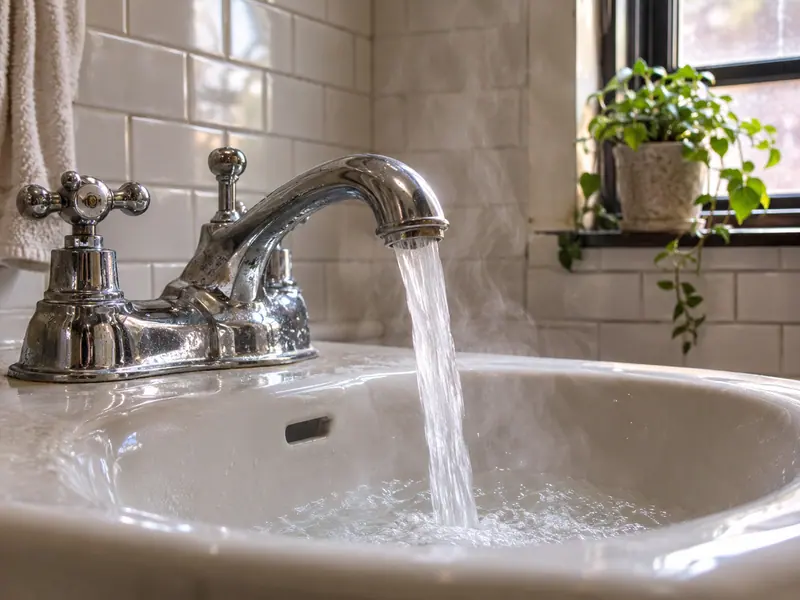

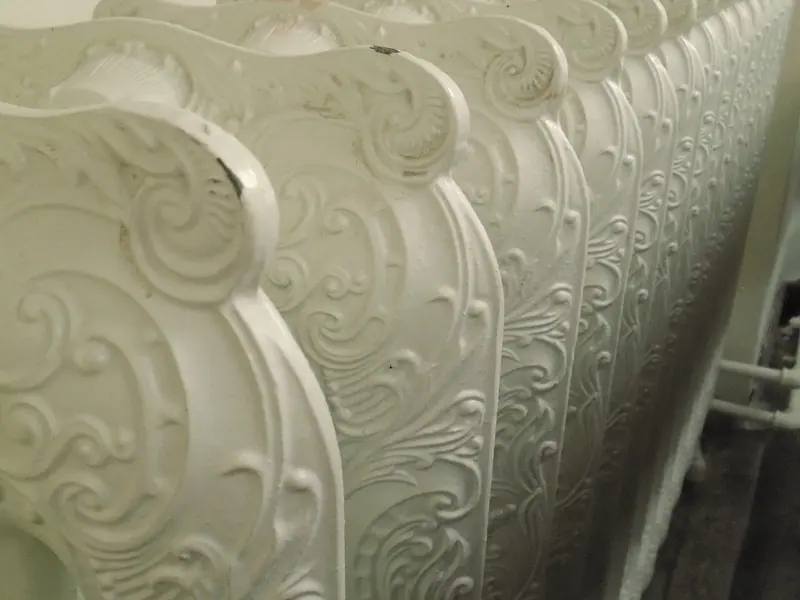

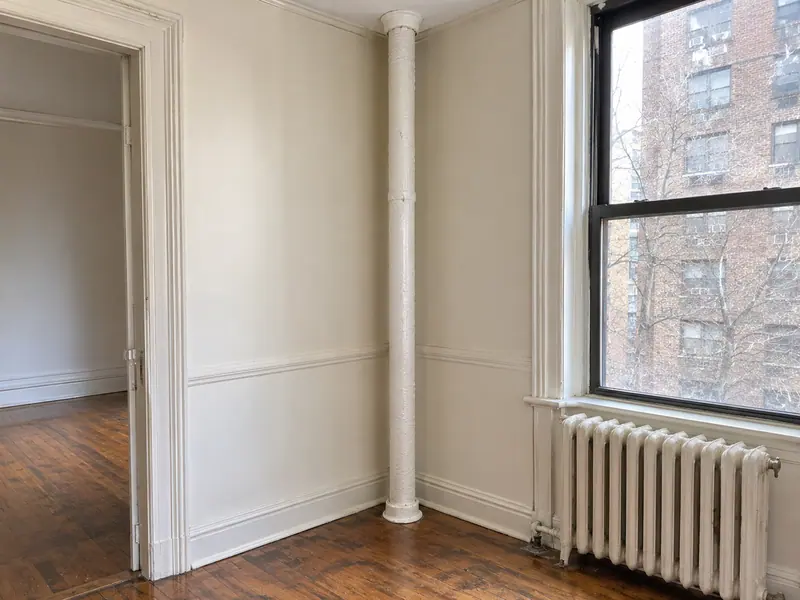

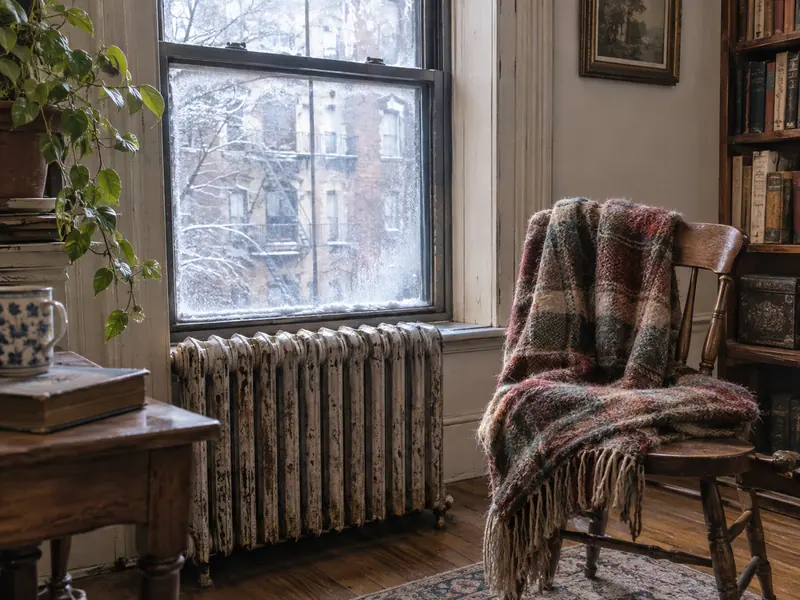

Start with the building you live in. Whether it is a prewar walk-up or a high-rise co-op or condo, one boiler in the cellar heats every apartment, and the owner, board or management company controls it. In a two-family house the owner runs the boiler for both floors and owes heat to the tenant upstairs. A brownstone with no tenant sits outside the city heat rules, and in a new-build condo the heat may come from a unit inside your own apartment.
What do the heat and hot water rules require?
From October 1 to May 31, indoor air must reach at least 68°F between 6am and 10pm whenever it is below 55°F outside, and at least 62°F overnight whatever the weather, under the Housing Maintenance Code §27-2029. The full day-and-night grid is on heat season rules. Hot water is a separate, year-round duty: HPD says at least 120°F at the tap, 365 days a year, and hot water rules covers the 110°F floor for showers fitted with mixing valves and how quickly hotter water scalds.
What if the owner does not fix it?
Tell the owner, super or management company first; if the cold continues, report it to HPD through 311. HPD received 344,437 heat complaints in the 2025–26 season, up from 282,606 the season before, according to its heat and hot water page. The steps after the call, from the inspector’s visit to a DHCR rent reduction or an HP action in Housing Court, are on filing a heat complaint with 311.
Why does steam heat bang, hiss or stay cold?
Many NYC steam systems were laid out for coal, have too little air venting and run boilers more than twice the size they need, says the city’s Retrofit Accelerator. Smaller and older buildings usually have one-pipe steam, with a single pipe and an air vent at each radiator; taller ones more often have two-pipe steam, with a steam trap on the return. Noise is explained on banging radiators, hissing or spitting on radiator air vents, and a radiator that never warms on cold radiator. In every case the reader’s part is to notice and report; the vents, traps and boiler belong to the super or a licensed pro.
Which boilers need a yearly DOB inspection?
Low-pressure boilers in residential buildings of six or more families need an inspection every calendar year, filed within 14 days, while buildings of five families or fewer are exempt, per the DOB boiler compliance page. Boiler inspections sets out the deadlines, penalties and what the owner’s licensed inspector files.
How this plate was drawn
A short map of the nine heat pages, not a full account of any rule. Each figure was taken from a city page on 11 Nov 2026: HPD for temperatures and complaints, the code for coverage, the Retrofit Accelerator for steam and DOB for boilers. HPD publishes complaints only as a citywide total, and we could not get a borough split, so none is given here.
Sources
- HPD (Housing Preservation and Development) — Heat and Hot Water · season, minimum temperatures, hot water, complaint totals · checked 11 Nov 2026
- Housing Maintenance Code, DOB-hosted compilation — sections 27-2028 to 27-2031 · who is covered and the temperatures owed · checked 11 Nov 2026
- Retrofit Accelerator, Mayor’s Office — one-pipe steam optimization primer · why NYC steam bangs and heats unevenly · checked 11 Nov 2026
- Department of Buildings — Boiler Compliance page · which boilers need a yearly inspection and the 14-day filing rule · checked 11 Nov 2026